
The firm from the inside
Who do you want next to you on the day everything has to work?
A team that has already run what cannot fail.
Four people trained running the infrastructure of one of the largest banks in the world, under regulatory supervision, in the Americas and in Asia. The founder leads and signs every engagement. The team delivers it with him, from network to interface and from command center to automation.
Who they are
Four track records. One way of working.
Each one brings the specialty the work actually calls for: leadership, platform and network, interface, operations and automation at scale. Together they cover the full cycle, from the decision to the day the system runs on its own.
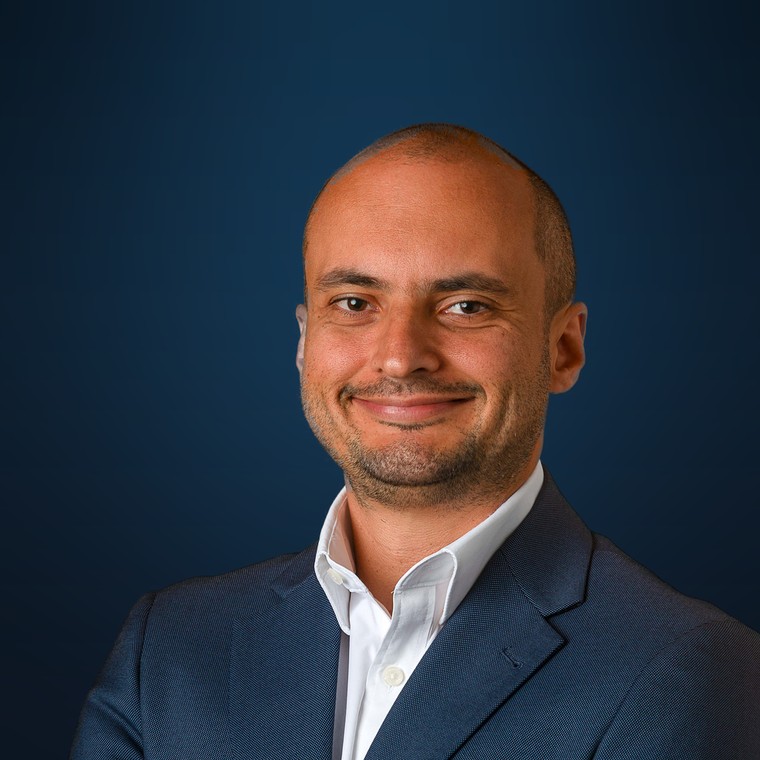
Eddie Monge
Founder · leadership and verdict
Decides what gets done and signs every engagement. Built Citi's production operation from zero to 150 people across eleven teams, over 60,000 servers, with eight years under regulatory supervision and not a single finding.
The first time with no precedent: the systems separation of one of the largest bank divestitures in Latin America. Nobody had done it at that scale in the region. 100% of systems cut over on the legal day, zero failures, ten rehearsals first.
Today he is studying a master's in artificial intelligence applied to business, so that operational judgment stays one step ahead of what AI already decides.
What he brings to your engagementThe verdict and the leadership of every engagement · systems separation and integration · technology and AI leadership by mandate.
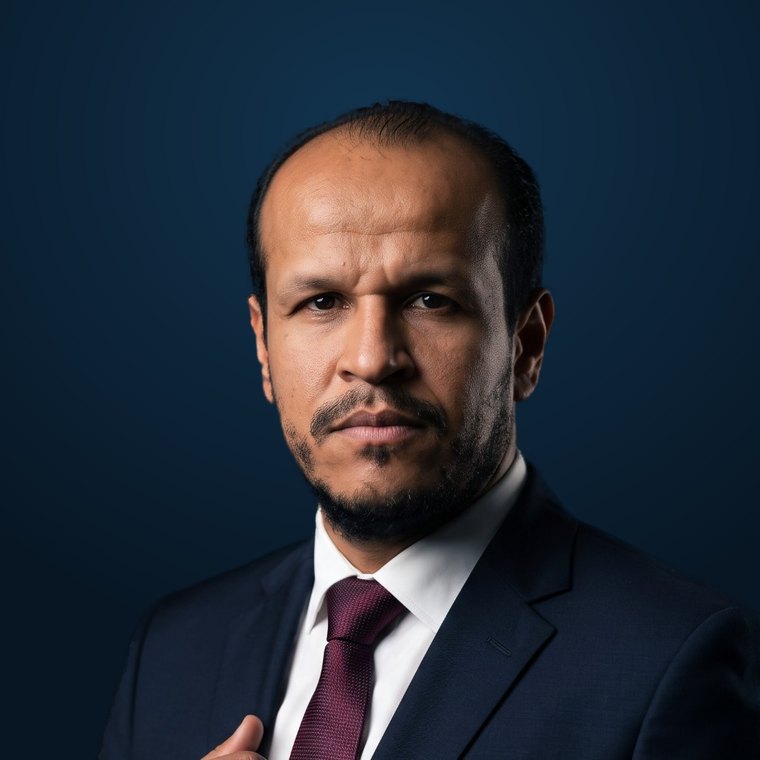
Edwin Torres
Platform, network and regulated operations
Makes the platform hold. More than ten years in enterprise network, storage and virtualization, and almost three inside the vendor, at VMware, testing vSAN releases before they shipped.
The first time with no precedent: in Citi's global network command center, with 18 sites across two regions under regulatory control, he saw seven major outages coming that nobody had on the radar and prevented them. Time to recovery fell 27% and the department's service level compliance rose from 75% to 85%.
Today he is certifying in public cloud, so that what he keeps running in the data center runs just as well outside it.
What he brings to your engagementThe platform and network assessment in the health check · infrastructure design and hardening · root cause analysis of outages · 24/7 operations under regulation.

Lawrence Tang
The interface of systems that decide
Designs the part of decision systems that people see, with an operator's judgment: before he designed, he spent more than three years at Citi planning operations against service level targets and monitoring servers in the data center. That is why his dashboards show what the person on call looks at.
The first time with no precedent: at TriumphPay he led end to end the portal that cross-checks carrier records so carriers get paid correctly and on time. It did not exist. Then he architected the design system of the payments platform and wrote its accessibility guidelines.
Today he designs artificial intelligence flows and dashboards in production, where the question is no longer how it looks but what it decides and who understands it.
What he brings to your engagementDashboards a committee actually uses · interfaces for AI assistants and agents · design systems and accessibility · operational applications people adopt.
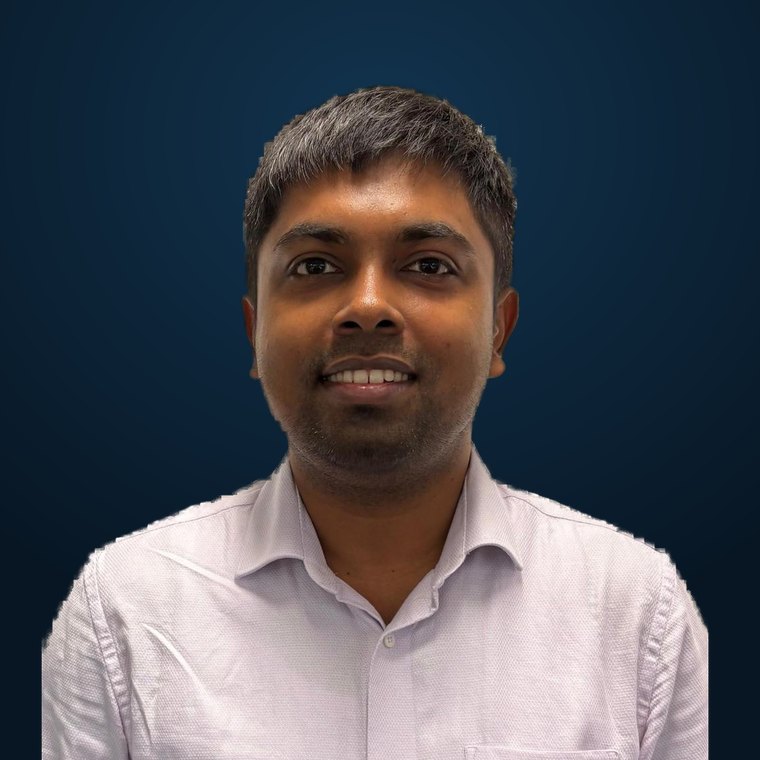
Saravanakumar Jeya Ramar
Command center, automation and vendors
Makes the operation run on its own, day and night. More than ten years in Citi command centers, from analyst to vice president, with a team of 60 professionals and service quality above 99% year after year. PMP and ITIL certified.
The first time with no precedent: from Singapore he coordinated the handover of the command center to teams in the United States and India, the follow-the-sun model that covers a global operation around the clock without anyone working nights. Then he consolidated vendors, renegotiated contracts and built the dashboards that measure toil before automating it.
Today he leads automation and artificial intelligence across cloud, infrastructure, network and cybersecurity for an operation spanning Singapore, China, the United Kingdom and the United States.
What he brings to your engagement24/7 command centers and operations · automation and toil reduction · vendor management and consolidation · transition of operations across teams and countries.
Why a team
It is not size. It is the specialty the work calls for.
A platform assessment is done best by someone who has run platform. A dashboard a committee actually uses is designed best by someone who has been on call. An operation that has to run on its own is built best by someone who has led command centers.
That is why each specialty comes in when the engagement calls for it. No pyramid and no middlemen: whoever talks to you is whoever knows.
The three rules that make it contractable
Whoever listens is whoever signs
The founder leads and signs every engagement. That does not rotate, is not delegated and does not change with the size of the project. The team executes inside a scope that has already been decided.
Every name is confirmed before signing
Whoever will work on your engagement is named in the proposal, with what they will do and where their scope ends. Whoever appears in the proposal is whoever is there on cutover day.
What gets delivered is yours
Every deliverable is your property, with the documentation to run it without us. Nothing you need depends on anyone staying.
Continuity
Your project does not depend on a single person.
Every contract puts in writing who steps in, how the work done is handed over, and your right to terminate.
If you have to show your committee why hiring this firm is a managed risk, we write that memo for you. It is our work, not yours.
How the team works
- The decision and the signature belong to the founder. The team delivers with him, never in his place.
- Every engagement is a deliverable that ends, at a fixed price. The team is not sold by the hour.
- What the team builds is validated by a third party. The rule applies to everyone equally.
Which part of your problem needs more than one head?